I&O leaders today face a set of priorities that can sometimes be in conflict with each other. On the one hand, it’s critical to deliver software more quickly across a high number of sites. On the other hand, leaders must balance the need for reliability, performance, and cost management, even as infrastructure continues to evolve.
Gartner’s 2023 Hype Cycle for Site Reliability Engineering highlights the importance of site reliability engineering (SRE) practices for enabling “innovation and rapid deployments of software products while improving availability, reliability, and performance.”
The report defines SRE as “a discipline that combines systems, reliability, and software engineering principles” that can help teams and organizations “design and operate scalable resilient systems.” Let’s dive into the key takeaways from the report to help leaders with implementing SRE practices. According to Gartner, by 2027, 75% of enterprises will use SRE practices across their organizations to optimize operations — up from just 10% in 2022. There is a pressure for the IT organization in a modern enterprise to drive innovation and rely heavily on digital channels so they can reach customers anywhere. SRE investment is a good way to face this pressure, since it aims to balance reliability with change velocity.
When implemented successfully, SRE practices help organizations maximize their investments by solving for both competing pressures at once—enabling innovation and rapid deployments across sprawling digital infrastructure while simultaneously improving availability, reliability, and performance. As the Gartner report states, “During the next two to five years, customer experience, and expectations of reliability and performance of digital products will require increased adoption of SRE practices.” I&O leaders who take this information and begin implementing the above principles will have an advantage, since “cloud-native applications, SaaS, platform as a service (PaaS), and third-party services and dependencies will require SRE approaches.”
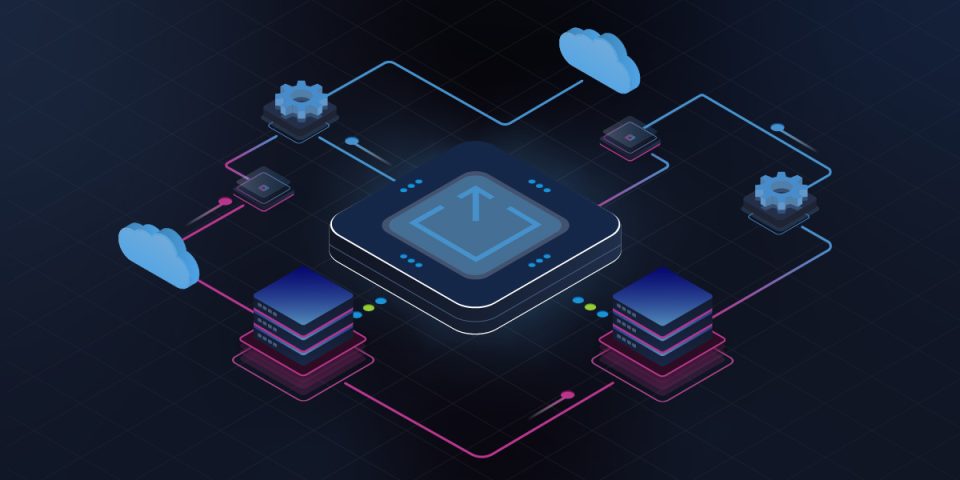
One of the key technologies highlighted in the Hype Cycle report is Infrastructure Orchestration, a set of technologies and practices that enable “platform and I&O teams to design, deliver, operate, and ensure orchestrated services across on-premises, cloud, and edge deployments.”
Itential is featured as a key vendor for Infrastructure Orchestration in the report. For a deeper dive into our products’ infrastructure orchestration capabilities, you can look at this page or read this blog focused on Infrastructure Orchestration and another Gartner Hype Cycle report. In the context of SRE, it’s most important to understand this: infrastructure orchestration is about templating service creation and management such that organizations can drastically increase the efficiency of their existing digital infrastructure. Therefore, implementing infrastructure orchestration practices is a key contributor to the adoption of SRE approaches that will enable organizations to keep innovating while maintaining efficiency and cost control.
As stated in the report, “Infrastructure orchestration drives consumer experience improvements of deploying and managing standardized infrastructure.” Infrastructure orchestration aligns significantly with the above SRE principles, evidenced by the focus on automation and the ability to drive efficiency at the services level. When teams implement infrastructure orchestration, “I&O teams realize operational efficiencies through reduced manual efforts to deliver infrastructure, embedding security and compliance requirements into the delivered services, and offering cost optimization opportunities.”
To learn more about Site Reliability Engineering, check out the full Gartner Hype Cycle here. And to dive into how Itential enables teams to implement infrastructure orchestration, check out our solution page here.
See how Itential connects AI reasoning to governed execution across your entire infrastructure.