Every incident response starts with a ticket. Every change waits for an engineer. And every alert that should trigger action still gets routed through three systems and two people first. Itential gives operations teams governed self-service access to every workflow and agent, real-time visibility into what’s running, and AI that closes the loop between alert and action.
Your AIOps tools detect problems faster than ever. But turning an alert into an action still starts with a ticket and ends with waiting. The automation exists. The scripts are there. None of it is yours to run. Alerts fire, SLAs slip, and no one can tell you what’s actually happening in production right now.
Your org has automation, but ops can’t run it. Routine tasks become tickets. Minutes of work become days of waiting.
Multiple dashboards, no clear answer on what ran, failed, or changed. Incident triage means calling whoever built the workflow.
Your AIOps tools detect the problem. Translating that signal into an infrastructure action still requires manual coordination across teams.
AI tells you what’s wrong. Someone still has to find the right automation and manually execute it.
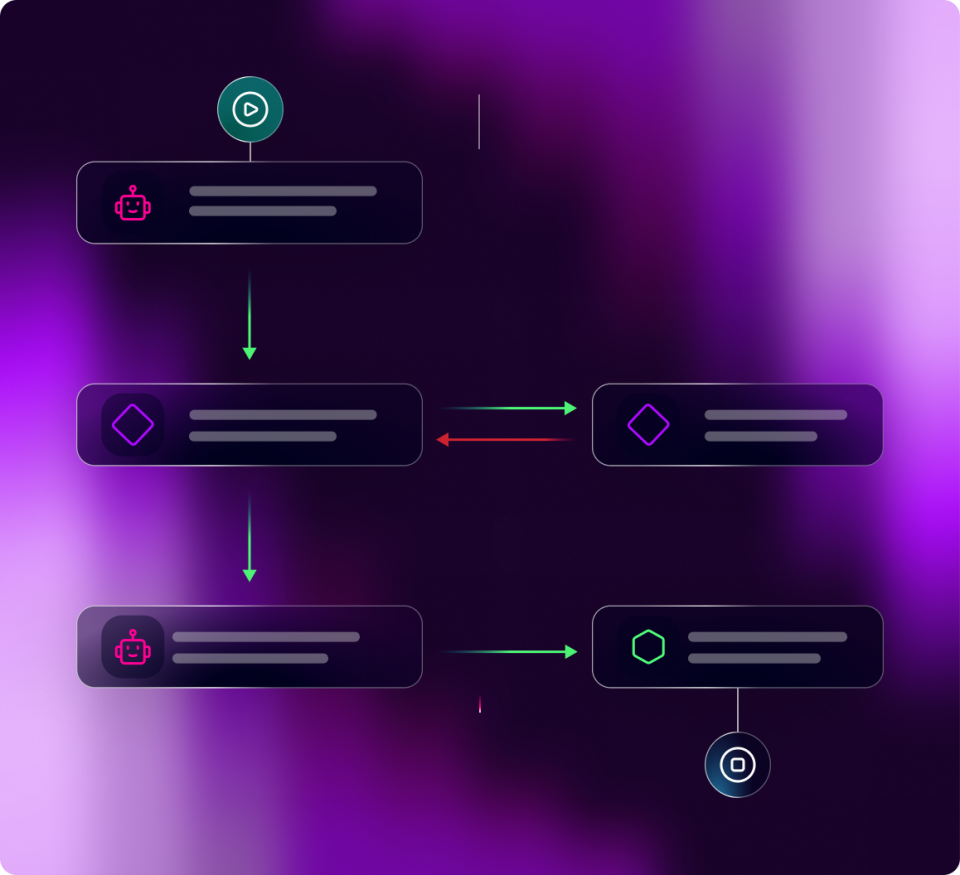
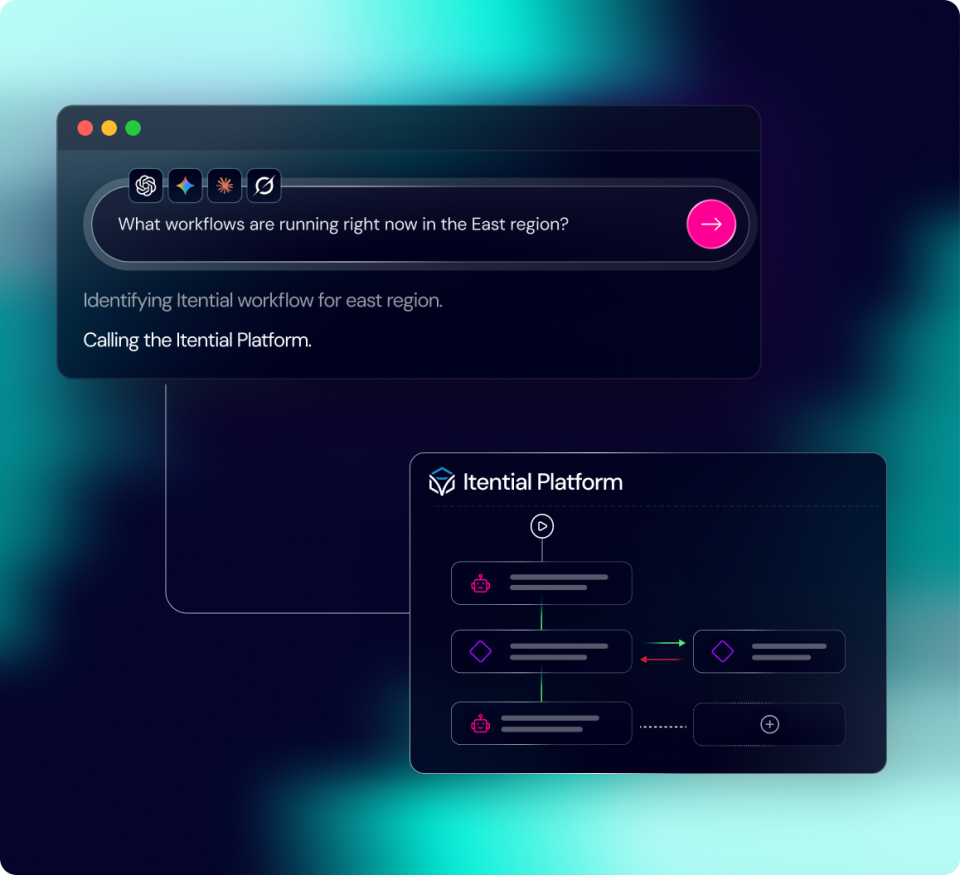
Itential publishes every workflow, automation, and agent action as a governed self-service operation. Ops teams run what they need via ticket, portal, or plain-language conversation without waiting on engineering. When an alert fires, agents query live state and execute governed remediation inside the same platform.
Operations teams using Itential are cutting incident triage from hours to minutes, running routine operations without opening tickets, and closing the loop between alert and remediation. When something changes, they see it. When something fails, they know why before they pick up the phone.
How a global financial services company replaced manual SOC swivel-chair work with vendor-agnostic SOAR integration, containing threats in seconds instead of minutes with full audit trail.
How a 2-person ops team kept 9,000 devices running across 1,000 retail and fuel locations, cutting overnight escalations 60 to 80% and ending the wake-up cycle.
How RUSH University Medical Center unified network operations across 3 hospitals and 30+ remote sites, cutting IP reservations from hours to minutes for the ops team.
How Lumen built engineering operational confidence at global scale, with step-level visibility and governed workflows that turn incident response from hours into minutes.
Because the people running infrastructure shouldn’t have to file a ticket to do it. Itential gives ops teams governed self-service access to every workflow, real-time visibility into what’s actually running, and AI that answers questions and takes action in plain language.
Every workflow gets published as a governed self-service operation. The same process runs every time. No exceptions, no tribal knowledge, no variance between shifts.
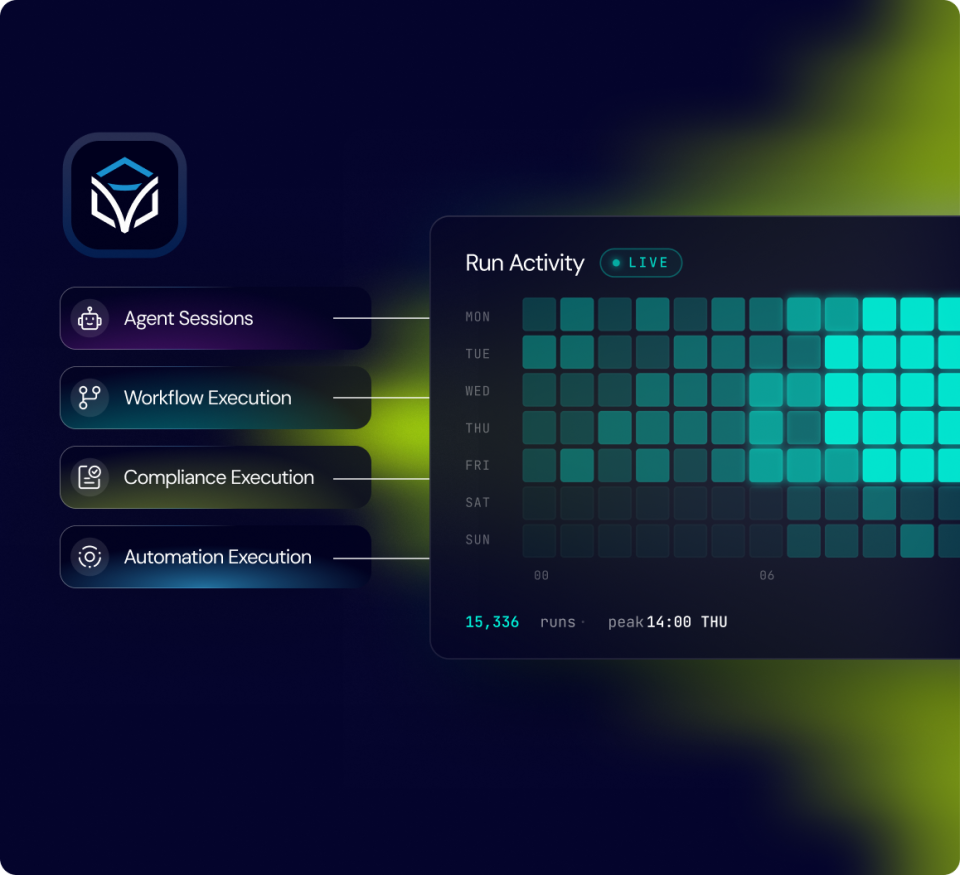
Step-level execution detail on every workflow and agent action. When something fails, you know what step, what system, and why before you pick up the phone.
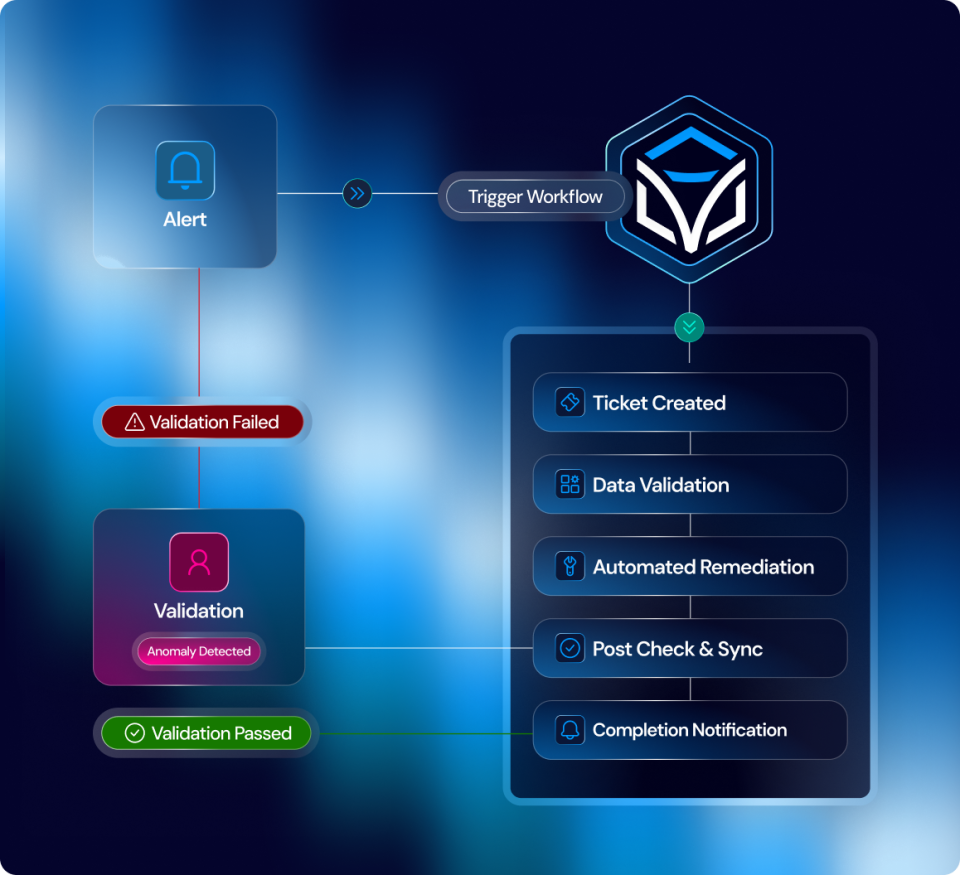
Connect AIOps tools to governed automation. When an alert fires, the platform queries live state and executes the right response, with human approval only where you need it.
Ask about the status of any service, change, or running operation in plain language and get a real answer from live execution, not a cached dashboard.
See how NOC and infrastructure operations teams use Itential to run approved automation on demand, triage incidents in minutes instead of hours, and close the loop between alert and remediation.
That’s exactly who this is for. Operations teams consume automation on the Itential Platform, they don’t build it. Engineering builds and publishes workflows as governed operations. Ops teams discover, run, and monitor those operations through a gove
ed catalog with RBAC controlling what each role can access. No code required.
Itential integrates bidirectionally with ServiceNow. Ops teams trigger governed workflows directly from a ticket, and Itential updates tickets as workflows execute, creating change records, updating status, and closing on completion. Your ITSM tracks the process. Itential handles the execution.
When an incident occurs, the platform surfaces step-level execution detail: what ran, what failed, what changed, who triggered it. Ops teams triage in minutes instead of hours. And with closed-loop automation connected to your AIOps tools, the platform can detect, respond, and remediate before a human even has to get involved.
Yes. Connect your AIOps platform via FlowMCP Gateway. When an alert fires, an agent receives the signal, queries live infrastructure state, and executes the appropriate response through governed workflows, with human approval required only above defined thresholds. Every action is logged, attributed, and reversible.
Engineers publish workflows as governed catalog items. Ops teams discover what they need by role, run it on demand, and see real-time status. RBAC controls who can run what. No tickets, no engineering pings, no waiting on someone to copy a runbook.