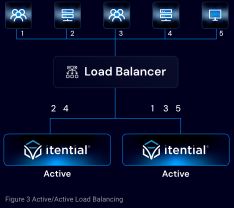
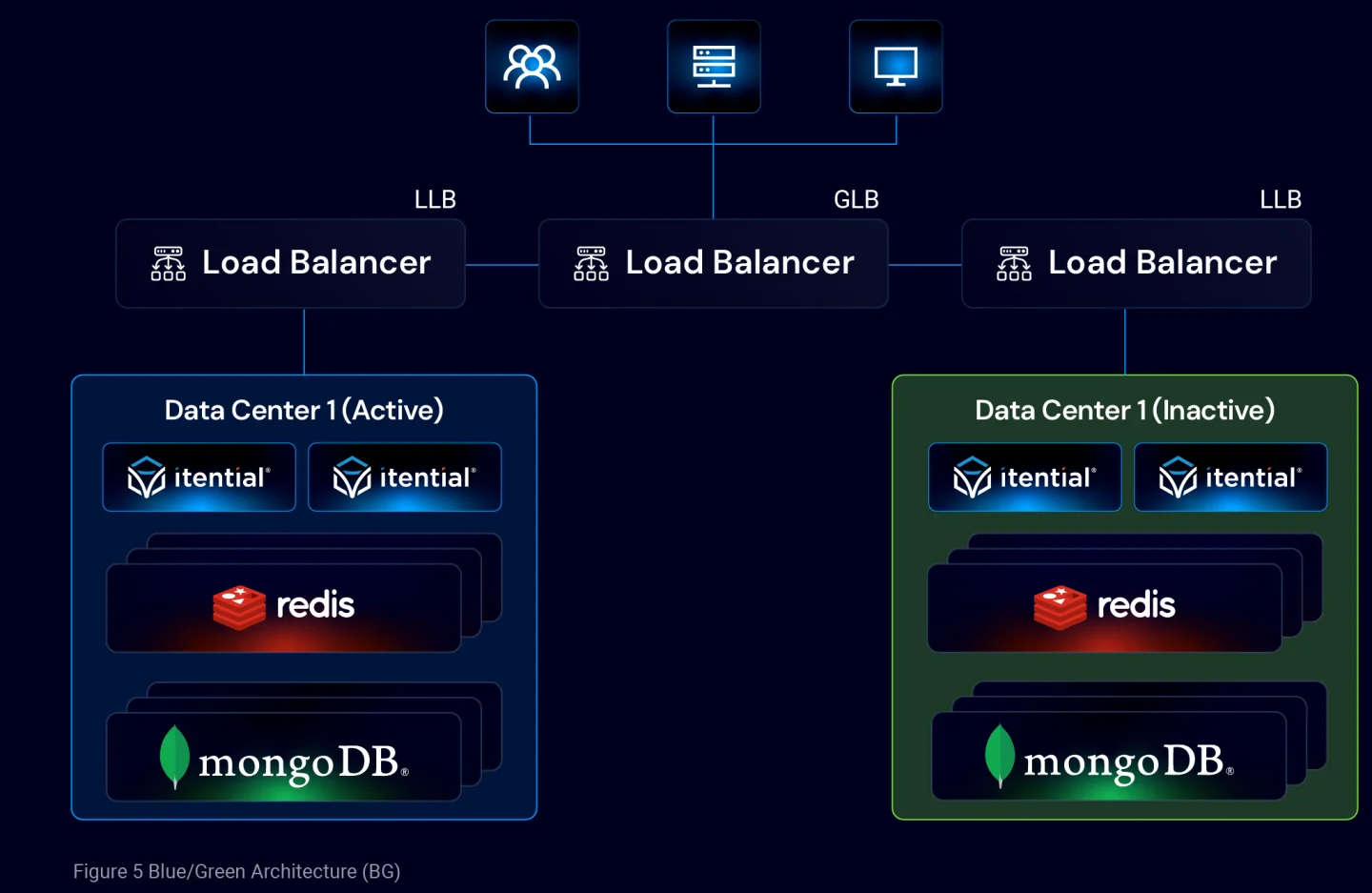
Also known as ‘hot/hot’, an active-active cluster is also typically made up of at least two nodes, but unlike active/standby, the nodes are actively running the same kind of service simultaneously. The main purpose of an active-active cluster is twofold: to provide component redundancy, which can tolerate at least one catastrophic failure, and to achieve load balancing. Load balancing distributes workloads across all nodes in order to prevent any single node from getting overloaded. Because there are more nodes available to serve, there will also be a marked improvement in throughput and response times.
Assigning of clients to the nodes in the cluster is not an arbitrary process. Rather, it is based on whatever load balancing algorithm is set on the load balancer. For example, in a “Round Robin” algorithm with two servers, the first client to connect is sent to the 1st server, the second client is sent to the 2nd server, the 3rd client back to the 1st server, the 4th client back to the 2nd server, and so on.






















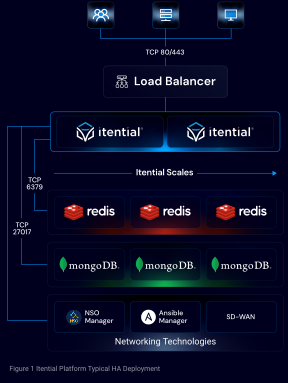 High Availability – The Basics
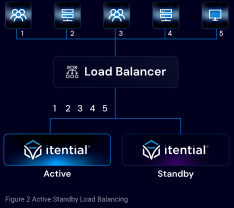 Basic Active/Standby
 Highly Available Architecture (HA2)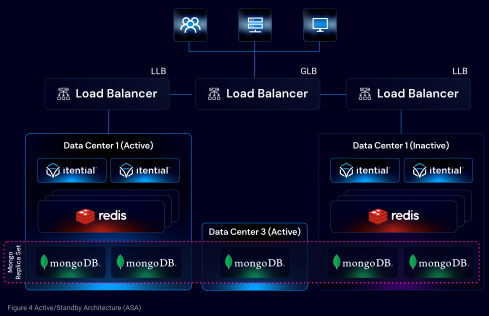
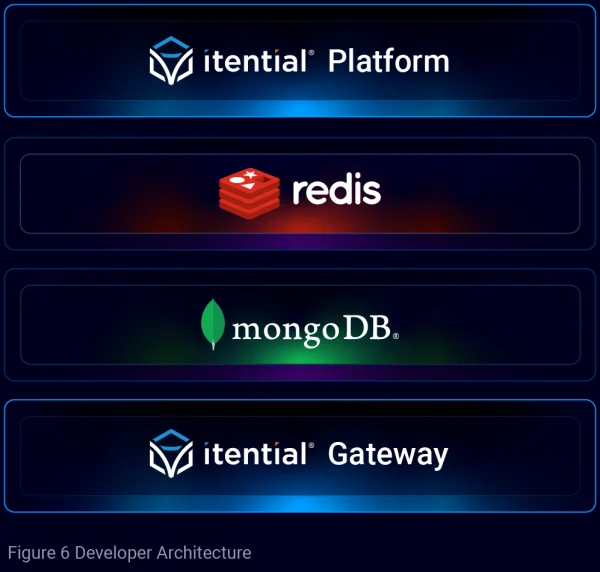 Developer Architecture
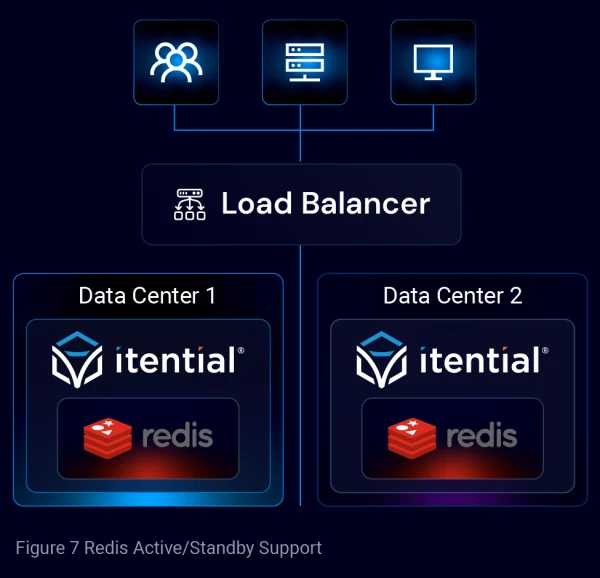 Active/Standby
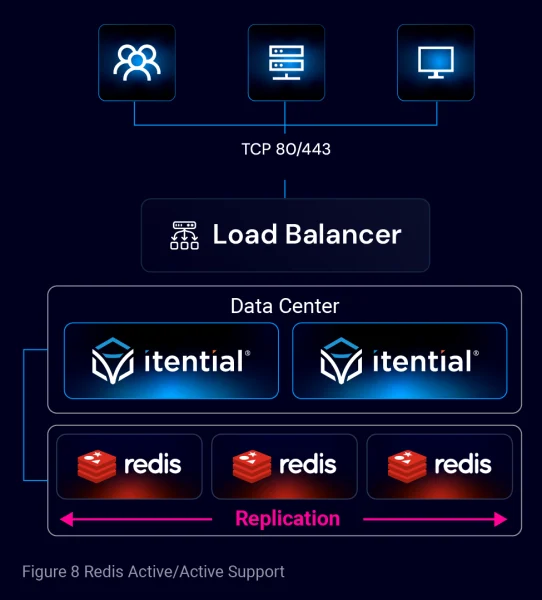 Active/Active
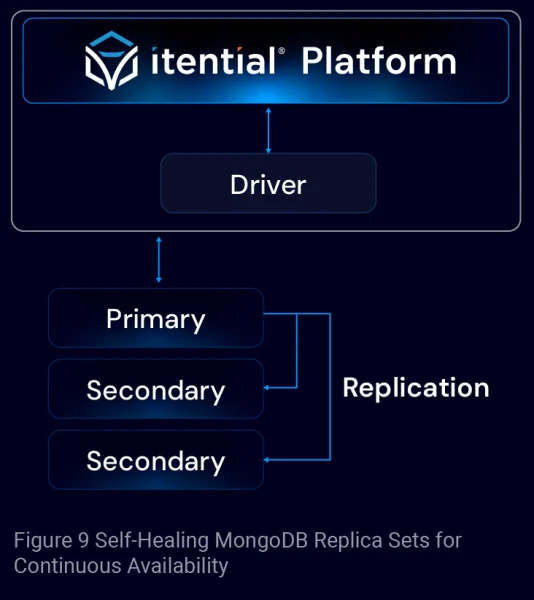 Replica Sets
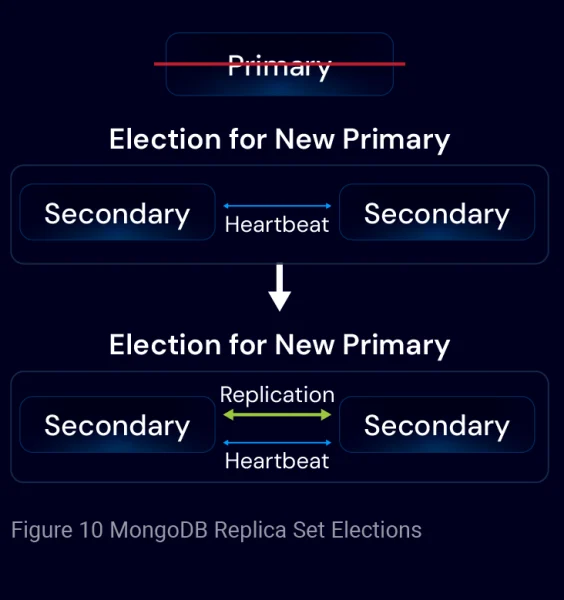 Replica Set Elections